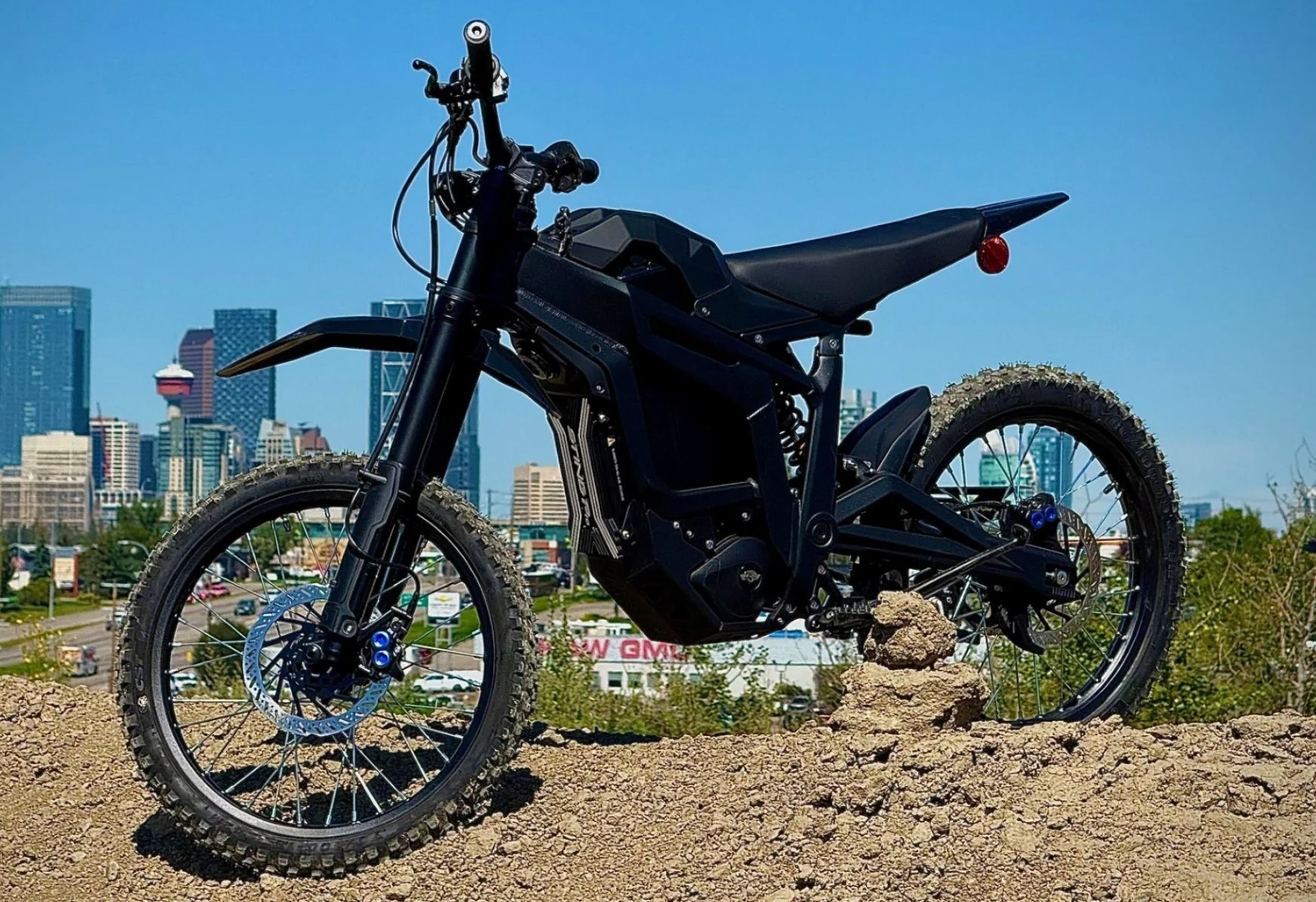
The talaria electric bike has moved beyond being just a niche off-road machine and is now part of a broader shift in how riders approach performance, sustainability, and recreation. As electric mobility expands, Talaria has positioned itself as a serious competitor in the electric dirt bike segment by focusing on durability, torque efficiency, and rider-focused engineering.
Evolution of Talaria Electric Bike Technology
The development of the talaria electric bike by Talaria reflects a clear evolution from early electric bicycles to full-performance off-road machines. Early e-bikes were primarily pedal-assist commuter vehicles, but Talaria designs operate closer to lightweight electric motorcycles.
A key part of this evolution is the refinement of motor control systems. Modern Talaria models use advanced controllers that regulate torque output more precisely, improving traction in slippery or uneven terrain. This allows riders to maintain stability even when conditions change rapidly, such as transitioning from dirt to gravel or wet surfaces.
Battery systems have also evolved significantly. Newer designs focus not only on capacity but also on heat management and discharge efficiency. This helps maintain consistent performance during long rides or under heavy load, such as climbing steep trails.
Popular Talaria Electric Bike Models
While different regions may have variations, several well-known models have helped define the brand’s reputation:
- Entry-level trail models designed for beginners and casual riders
- Mid-range performance models optimized for mixed terrain riding
- High-performance off-road versions built for aggressive trail and track use
Each talaria electric bike model typically balances weight, speed, and battery capacity differently. Entry-level versions prioritize control and ease of use, while higher-end models focus on raw power and extended off-road capability.
Riding Dynamics and Real-World Performance
In real-world use, the talaria electric bike is known for its quick acceleration and strong mid-range torque. This makes it particularly effective for trail riding where short bursts of power are needed to overcome obstacles like rocks, sand patches, or steep inclines.
Unlike gasoline-powered dirt bikes, Talaria models deliver power instantly without needing to build RPM. This changes riding dynamics significantly. Riders can rely more on throttle precision rather than engine gearing, which simplifies control in technical environments.
The low center of gravity also improves balance. Because the battery is typically mounted low in the frame, the bike feels more stable during turns and jumps. This design helps both beginners and experienced riders maintain confidence on uneven terrain.
Urban Use and Versatility
Although primarily designed for off-road environments, the talaria electric bike is increasingly used in semi-urban settings where regulations allow. Its quiet operation makes it appealing in areas where noise restrictions are strict.
Some riders use it for short-distance commuting, especially in regions with mixed terrain access—such as suburban roads connected to trails. However, because many models are not fully street-legal in all countries, users must verify local laws before riding on public roads.
Environmental Impact and Sustainability
One of the strongest arguments for adopting a talaria electric bike is its reduced environmental footprint. Since it runs entirely on electricity, it produces no direct emissions during operation. This is especially important in areas where off-road riding has traditionally contributed to noise and air pollution.
Additionally, electric drivetrains reduce dependency on fossil fuels. As electricity grids become increasingly powered by renewable energy sources, the overall environmental impact of electric bikes continues to decrease.
Maintenance Simplicity and Long-Term Value
Maintenance is another area where the talaria electric bike stands out. Traditional dirt bikes require frequent servicing, including oil changes, air filter cleaning, and engine tuning. In contrast, Talaria models eliminate many of these requirements.
Routine maintenance usually focuses on:
- Brake system checks
- Tire wear inspection
- Suspension adjustments
- Chain or belt maintenance
This simplicity not only reduces long-term costs but also increases reliability, especially for riders who frequently use their bikes in dusty or muddy environments.
Market Growth and Rider Community
The popularity of the talaria electric bike is also fueled by a growing global community of electric off-road enthusiasts. Online forums, social media groups, and trail riding communities have helped spread awareness and share riding experiences.
As more riders transition from gas-powered dirt bikes, brands like Talaria are benefiting from increased demand for quieter, cleaner, and easier-to-maintain alternatives.
This trend also pushes innovation forward, encouraging improvements in battery density, motor efficiency, and frame design across the entire industry.
Conclusion
The talaria electric bike represents a significant step forward in electric off-road transportation. With its strong performance, simplified maintenance, and environmentally friendly design, it appeals to both recreational riders and serious off-road enthusiasts.
As technology continues to advance, Talaria is expected to refine its models further, offering even greater range, better control systems, and improved durability. This positions it as a key player in the ongoing transformation of the off-road riding experience.