























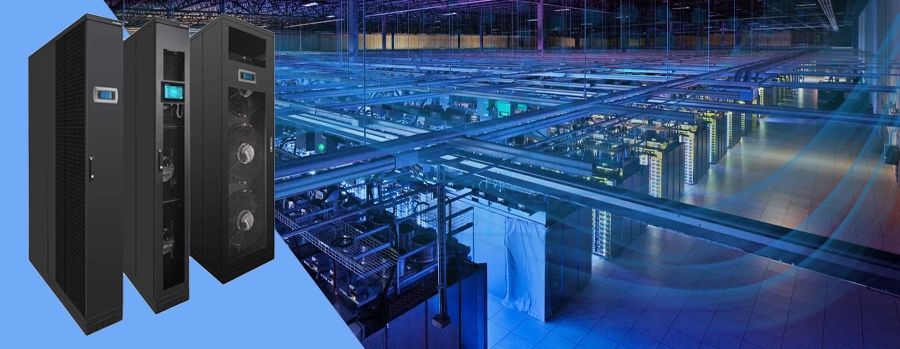
A reliable server room cooling system is essential for maintaining the stability, performance, and lifespan of critical IT equipment. As organizations increasingly depend on digital systems and data-driven operations, ensuring that servers operate within optimal temperature ranges has never been more important. One of the most effective ways to achieve this is through a dedicated solution such as a specialized server room cooling system, and an example of this type of solution can be explored through this resource: server room cooling system. Introducing proper cooling from the outset helps avoid expensive downtime, equipment failures, and operational inefficiencies, making it a foundational component of any modern technological environment.
Why Server Room Cooling Matters
Server rooms generate continuous heat due to the constant processing and data handling occurring within the equipment. Without an effective cooling system, heat buildup accelerates device deterioration, causing hardware malfunctions, data loss, and even complete system outages. Beyond basic temperature regulation, proper cooling ensures steady airflow, humidity management, and energy efficiency. Most servers are engineered to run in a narrow thermal range. When temperatures exceed that range, internal components expand, plastics degrade faster, and power supplies struggle to maintain consistent performance. This strain ultimately shortens the lifespan of expensive infrastructure. Installing a dedicated cooling solution ensures that temperature stability is maintained around the clock, even during peak processing times.
How Modern Cooling Solutions Work
A modern server room cooling system integrates advanced technologies to regulate environmental conditions precisely. These systems work by drawing heat away from server racks and dispersing it efficiently while circulating cool, conditioned air back into the room or rack. Many systems include sensors that constantly monitor temperature fluctuations and adjust airflow accordingly. Precision cooling operates far more accurately than traditional HVAC systems, which are not designed for the high-density heat loads generated by data centers. Purpose-built cooling solutions rely on targeted airflow, cold aisle and hot aisle configurations, liquid cooling options, and real-time data analysis to ensure seamless operation. The result is enhanced control over thermal conditions and a reduced risk of overheating.
Energy Efficiency and Cost Reduction
Energy consumption is one of the biggest concerns for organizations that operate server rooms. Traditional cooling systems often use excessive energy because they are designed to cool entire buildings or large spaces, not focused high-density areas. A specialized cooling system improves energy efficiency by delivering cooling exactly where needed. By channeling cool air directly toward heat-generating equipment, these systems minimize waste and reduce overall energy expenditure. This precision leads to significant cost savings over time, especially in larger environments with multiple racks or high-power servers. Furthermore, modern cooling units often incorporate eco-friendly refrigerants and energy-saving technologies that help organizations achieve sustainability goals while keeping operational costs manageable.
Maintaining Stable Humidity Levels
While temperature is crucial, humidity control is equally important. Excess moisture inside a server room can lead to condensation on sensitive electronic components, causing corrosion, electrical shorts, and long-term damage. On the other hand, air that is too dry increases static electricity, which poses another risk to servers and networking devices. A well-designed server room cooling system includes built-in humidity management features that maintain a stable balance. This ensures equipment longevity and prevents both minor and catastrophic failures caused by uncontrolled environmental conditions. Maintaining the ideal humidity range supports overall system stability and contributes to a safer environment for high-value hardware.
Scalability for Growing Infrastructure Needs
As organizations expand, their IT infrastructure typically grows as well, increasing the demand for efficient thermal management. A scalable cooling system ensures that the environment remains stable even as server racks multiply and processing loads increase. Many advanced cooling solutions can be adapted or expanded over time without requiring complete system replacement. Modular designs allow companies to start with a smaller setup and gradually add capacity as their infrastructure evolves. This adaptability reduces long-term costs and prevents the need for major renovations. Scalability is especially valuable for businesses in rapidly evolving industries where technology demands can shift unexpectedly.
Enhancing System Reliability and Uptime
Downtime is one of the most costly problems that any organization can face. A sudden server failure caused by overheating can halt business operations, disrupt customer services, and lead to data loss. These incidents can damage an organization’s reputation and result in significant financial losses. By implementing a dedicated cooling system, companies significantly reduce the likelihood of temperature-related outages. Continuous monitoring and automated adjustments ensure that servers remain within optimal conditions even during unexpected spikes in workload. This promotes consistent performance and contributes to a stable, dependable IT environment.
Improving Equipment Lifespan and Reducing Replacement Costs
Servers and networking devices represent substantial investments. When these components are exposed to high temperatures, they age prematurely, leading to frequent repairs or replacements. A dedicated cooling system mitigates these risks by keeping equipment within safe operating conditions. Prolonged hardware life means fewer replacements, reduced maintenance costs, and more predictable budgeting for infrastructure expenses. Organizations also benefit from the reduced environmental impact of fewer discarded electronic components. Extending the lifecycle of existing hardware supports both financial and sustainability objectives.
Supporting Regulatory Compliance and Security
Industries such as finance, healthcare, and telecommunications often face strict regulations regarding data protection and system reliability. Maintaining a controlled server room environment is a key part of meeting these requirements. Proper cooling ensures that critical systems remain operational and secure, reducing the risk of compliance violations. Temperature-related failures can compromise data integrity, which may lead to legal consequences or breaches of industry standards. By investing in high-quality cooling infrastructure, organizations strengthen their compliance posture and protect sensitive information.
The Role of Redundancy in Cooling Systems
This article would be incomplete without addressing the importance of redundancy. Just as servers often include redundant power supplies or storage, cooling systems should also feature backup components. Dual cooling units or failover mechanisms ensure that if one system encounters an issue, another immediately takes over. This prevents temperature spikes and protects equipment from sudden overheating. Redundant cooling is especially vital in mission-critical environments where system failure is not an option. The peace of mind provided by redundancy can be invaluable to IT teams responsible for maintaining uninterrupted operations.
Innovations Shaping the Future of Server Room Cooling
Technological advancements continue to shape the design and functionality of cooling systems. Liquid cooling, for example, is becoming more widely used as it can absorb and transfer heat more efficiently than air-based systems. Smart cooling solutions now incorporate machine learning algorithms capable of predicting heat loads and adjusting cooling patterns in real time. Remote monitoring platforms allow technicians to observe temperature data and manage cooling settings from any location. These innovations not only improve efficiency but also reduce operational complexity for IT staff.
Conclusion: Choosing the Right Solution for Your Facility
Selecting the right cooling system requires a careful assessment of your server room’s layout, the density of equipment, power consumption, and long-term growth goals. Each environment has unique requirements, and a tailored approach ensures that cooling remains effective and dependable. A well-designed system not only protects valuable equipment but also contributes to energy efficiency, cost savings, and operational stability. As organizations continue to rely on digital infrastructure, prioritizing proper thermal management becomes essential. For those seeking additional resources, exploring a server room cooling system link alternatif can provide useful insights into the wide range of available options. By making informed choices and investing in high-quality cooling solutions, businesses can protect their technological assets, enhance performance, and support sustainable growth.