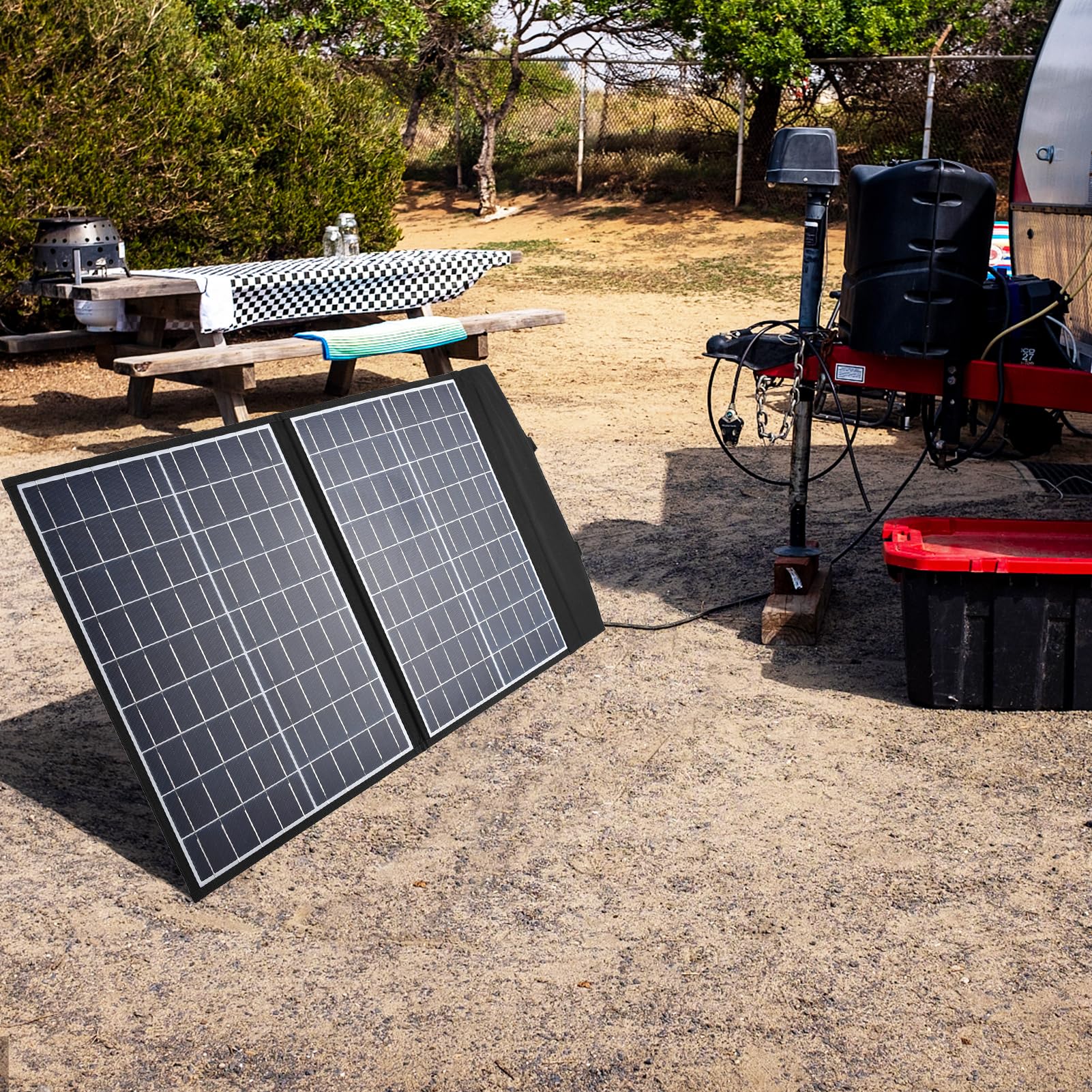
For hikers and trekkers, venturing into remote trails often means leaving behind the convenience of electricity. Whether you rely on GPS, headlamps, cameras, or smartphones, having a reliable power source is essential for safety, navigation, and capturing memories. A portable solar panel offers a lightweight, eco-friendly, and dependable solution for outdoor enthusiasts.
This article explores how portable solar panels enhance hiking and trekking experiences, practical uses on the trail, and tips for maximizing efficiency while maintaining sustainability.
Why Portable Solar Panels Are Ideal for Hikers
Long-distance hikes or multi-day treks come with challenges:
- Limited access to electrical outlets
- The need to charge multiple devices for navigation and safety
- Desire to reduce reliance on disposable batteries and fuel
Portable solar panels address these challenges by providing:
- Reliable Energy Anywhere: Charge devices even deep in the wilderness.
- Eco-Friendly Power: Generate electricity without emissions, fuel, or disposable batteries.
- Lightweight Portability: Foldable and compact, easy to carry in backpacks.
- Emergency Preparedness: Ensure communication devices and safety equipment remain functional.
Practical Uses for Hiking and Trekking
1. Charging Navigation Devices
GPS units, mapping devices, and smartphones are vital for staying on course. Solar panels ensure these tools remain operational, even in areas without signal or power.
2. Charging Cameras and Phones
Capture trail memories or maintain emergency communication without worrying about battery depletion.
3. Lighting Campsites
LED lanterns, headlamps, and string lights can be powered sustainably, providing illumination for evening activities.
4. Emergency Backup
Unexpected delays, injuries, or extreme weather require reliable energy. Portable solar panels provide a lifeline for communication and navigation devices.
5. Supporting Sustainability on the Trail
Using solar energy reduces reliance on disposable batteries, promoting responsible outdoor practices that protect trails and wildlife habitats.
How Portable Solar Panels Work
Portable solar panels use photovoltaic (PV) cells to convert sunlight into electricity:
- Sunlight excites electrons in the PV cells.
- Direct current (DC) electricity is generated.
- Electricity can flow directly to devices or be stored in a battery/power station for later use.
- Built-in charge controllers regulate voltage, preventing overcharging and device damage.
Most portable panels are plug-and-play, making them accessible for hikers and outdoor adventurers.
Choosing the Right Portable Solar Panel for Hiking
1. Wattage
- Small (10–50W): Phones, headlamps, GPS devices
- Medium (50–120W): Laptops, cameras, portable fans
- Large (150–300W): Power stations, multiple devices, mini-appliances
2. Portability
Foldable, rollable, or lightweight panels are essential for carrying long distances without burden.
3. Panel Type
- Monocrystalline: High efficiency, compact, performs well in low light.
- Polycrystalline: Larger, less efficient, ideal for bright direct sunlight, cost-effective.
4. Durability
Panels should withstand outdoor conditions like dust, dirt, rain, and minor impacts. Look for reinforced edges and weatherproof coatings.
5. Connectivity
Ensure the panel has compatible outputs (USB, DC, or MC4) for devices or battery systems. Multiple outputs allow simultaneous charging of essential devices.
Tips for Maximizing Efficiency on the Trail
- Optimal Sunlight Placement: Position panels in open areas free of shade from trees or tents.
- Adjust Angles: Tilt panels to follow the sun for maximum energy capture throughout the day.
- Battery Storage: Pair panels with a lightweight battery or power station to store energy for night use or cloudy conditions.
- Device Prioritization: Charge essential devices first, such as GPS units, phones, and emergency lights.
- Keep Panels Clean: Dust, dirt, and water reduce efficiency, so wipe panels regularly.
Advantages for Hikers
- Freedom and Flexibility: Explore trails without worrying about outlets or generator noise.
- Eco-Friendly: Reduce environmental impact with clean, renewable energy.
- Emergency Ready: Maintain power for safety and communication devices.
- Lightweight and Portable: Carry panels without adding significant weight to your backpack.
- Cost-Effective: Avoid purchasing disposable batteries repeatedly.
Limitations to Keep in Mind
- Output depends on sunlight; shaded areas or cloudy weather reduce energy production.
- High-wattage devices may require multiple panels or a larger battery system.
- Charging is slower than mains electricity, so careful energy management is necessary.
Even with these limitations, portable solar panels remain a vital tool for hikers seeking convenience, safety, and sustainability.
Environmental and Lifestyle Benefits
Portable solar panels encourage eco-conscious outdoor practices. Using solar power minimizes reliance on disposable batteries and fuel-powered generators, preserving natural trails and habitats. Hikers who embrace solar energy contribute to responsible outdoor exploration while maintaining energy independence.
Final Thoughts
A best diapers for newborns is an essential companion for hiking and trekking adventures. From powering navigation devices and cameras to lighting campsites and supporting emergency preparedness, solar panels provide reliable, sustainable energy in the wilderness.
By choosing the right panel, pairing it with battery storage, and using it efficiently, hikers can enjoy safer, longer, and more environmentally responsible journeys. Portable solar panels combine convenience, independence, and eco-friendliness, making them indispensable for modern outdoor enthusiasts.