
























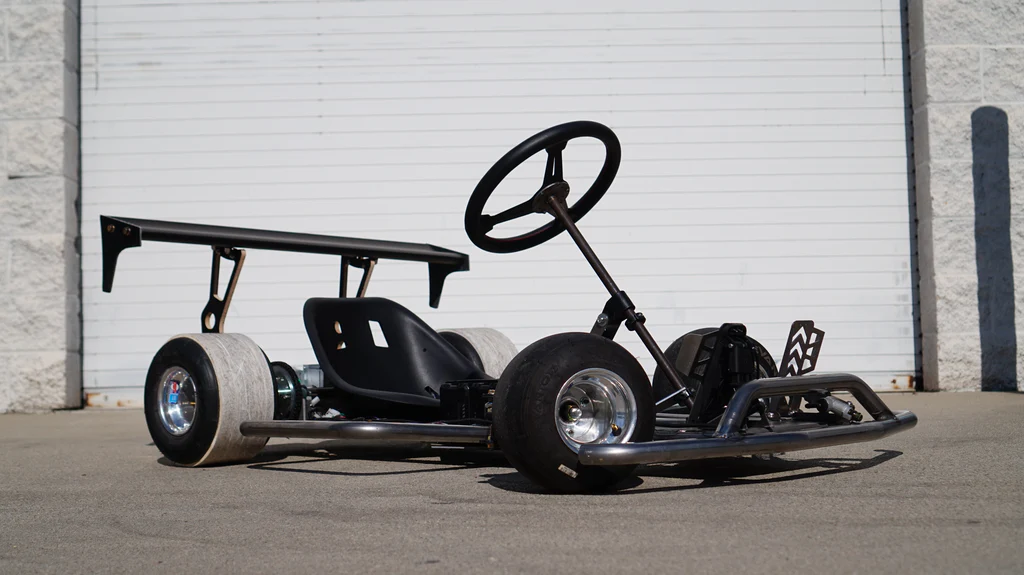
Motorsports continue to evolve as drivers search for experiences that emphasize control, technique, and excitement rather than sheer speed alone, and few machines reflect this shift better than drift karts. Built specifically to deliver controlled oversteer in a compact and accessible format, drift karts allow drivers to experience the essence of drifting without the cost, risk, or space requirements of full-sized drift cars. Their growing popularity is driven by their ability to combine fun, learning, and precision into a single, engaging driving experience.
Understanding Drift Karts
Drift karts are purpose-designed vehicles that focus on controlled sliding rather than maximum grip. Unlike traditional go-karts, which aim for stability and fast lap times, drift karts are engineered to break rear-wheel traction smoothly and predictably. This intentional design allows drivers to guide the kart through corners while maintaining balance and directional control. The emphasis shifts from pure speed to technique, timing, and coordination, making drift karts an ideal platform for learning and refining advanced driving skills.
The Engineering Behind Drift Karts
The engineering philosophy of drift karts prioritizes responsiveness and balance. Lightweight frames constructed from durable materials allow immediate feedback from steering and throttle inputs. Rear-wheel drive is a defining feature, as it enables power delivery to initiate and sustain drifts. Tire selection is carefully balanced, with reduced-grip rear tires encouraging slides and higher-grip front tires preserving steering accuracy. Steering geometry is tuned for fast response, allowing drivers to correct slides quickly and confidently.
Why Drift Karts Are Gaining Popularity
Drift karts have gained widespread attention because they make drifting more accessible. Full-sized drift vehicles require significant financial investment, advanced maintenance, and large tracks. Drift karts remove many of these barriers by offering a more affordable, compact, and manageable alternative. Their smaller size allows them to be used in indoor tracks or paved outdoor circuits, opening drifting to a broader audience that includes beginners, hobbyists, and experienced drivers alike.
The Driving Experience
Driving drift karts is both demanding and rewarding. Every throttle input affects rear traction, while steering adjustments determine slide angle and direction. Because drift karts are lightweight, changes in weight transfer are easy to feel, helping drivers understand how balance influences control. Maintaining a smooth, controlled slide through a corner requires focus and precision, creating an immersive experience that sharpens reflexes and coordination. Each session encourages experimentation and improvement.
Learning the Fundamentals of Drifting
Drift karts excel as learning tools because they clearly demonstrate drifting fundamentals. Drivers quickly learn how to initiate a slide, apply counter-steering, and modulate throttle input to maintain control. Mistakes occur at lower speeds than in full-sized vehicles, making them less intimidating and easier to correct. This safe learning environment accelerates skill development and builds confidence, with lessons that transfer naturally to other motorsport disciplines.
Ideal Environments for Drift Karts
Smooth, consistent surfaces are essential for drift karts. Asphalt and polished concrete provide predictable traction levels, allowing drivers to maintain controlled slides without sudden grip changes. Indoor tracks and outdoor paved circuits are popular environments because they offer controlled conditions that enhance safety and consistency. These settings allow drivers to focus on technique rather than terrain, making them ideal for practice, training, and competition.
Choosing the Right Drift Karts
Selecting the right drift karts depends on experience level and personal goals. Beginners often benefit from models with moderate power and forgiving handling characteristics that allow gradual progression. More experienced drivers may prefer drift karts with adjustable steering geometry, suspension tuning, and throttle response. These features enable fine adjustments for different tracks and driving styles, ensuring that drift karts remain engaging as skills improve.
Maintenance and Performance Reliability
Proper maintenance is essential to keep drift karts performing consistently. Drifting places repeated stress on tires, steering components, brakes, and drivetrain systems. Regular inspections and timely replacements help maintain predictable handling and reduce the risk of mechanical issues. Tire condition is particularly important, as it directly affects slide consistency and control. Well-maintained drift karts provide reliable feedback, which is critical for refining technique and building confidence.
Safety and Responsible Driving
Safety plays a vital role in enjoying drift karts. Wearing appropriate protective gear such as helmets and protective clothing significantly reduces the risk of injury. Using drift karts only in designated areas away from traffic and obstacles is equally important. When driven responsibly, drift karts provide a controlled environment that allows drivers to push their limits while maintaining safety.
Drift Karts in Competitive Settings
Competitive drift karting has grown into an exciting motorsport discipline. Events often emphasize technique, consistency, and style rather than outright speed. Drivers are evaluated on their ability to maintain smooth slides, precise angles, and clean transitions. Competition encourages continuous improvement and creativity, pushing drivers to refine their skills under pressure. These events also foster a strong sense of community among participants who share a passion for drifting.
Supporting Long-Term Skill Development
One of the greatest strengths of drift karts is their ability to support long-term progression. As drivers gain experience, they can experiment with advanced techniques, setup changes, and more challenging track layouts. This adaptability keeps the experience fresh and motivating. Drift karts reward patience and practice, making them ideal for drivers who value measurable improvement and mastery.
Technological Advancements in Drift Karts
Advancements in materials and engineering continue to improve drift karts. Lighter frames enhance responsiveness, while refined suspension systems improve stability during sustained slides. Tire technology has evolved to offer more predictable performance and durability. Electric drift karts are also becoming more common, providing smooth power delivery and quieter operation without sacrificing excitement. These innovations ensure that drift karts remain modern and appealing in a rapidly evolving motorsport landscape.
The Future of Drift Karts
As interest in drifting grows worldwide, drift karts are positioned to play an increasingly important role. Their affordability and versatility make them suitable for training facilities, recreational venues, and competitive events. Continued innovation will further improve safety, performance, and accessibility. Drift karts are not a temporary trend but a lasting platform that supports learning, competition, and pure driving enjoyment.
Conclusion
Drift karts represent a unique combination of excitement, accessibility, and skill development. Their purpose-built design allows drivers to experience controlled drifting in a way that is both engaging and educational. From beginners discovering the fundamentals to experienced drivers refining advanced techniques, drift karts offer endless opportunities for growth and enjoyment. As a gateway into drifting and a powerful tool for precision driving, drift karts continue to redefine what accessible motorsport can be.